Treatment
Dermatosurgical removal of skin lesions (e.g. moles)

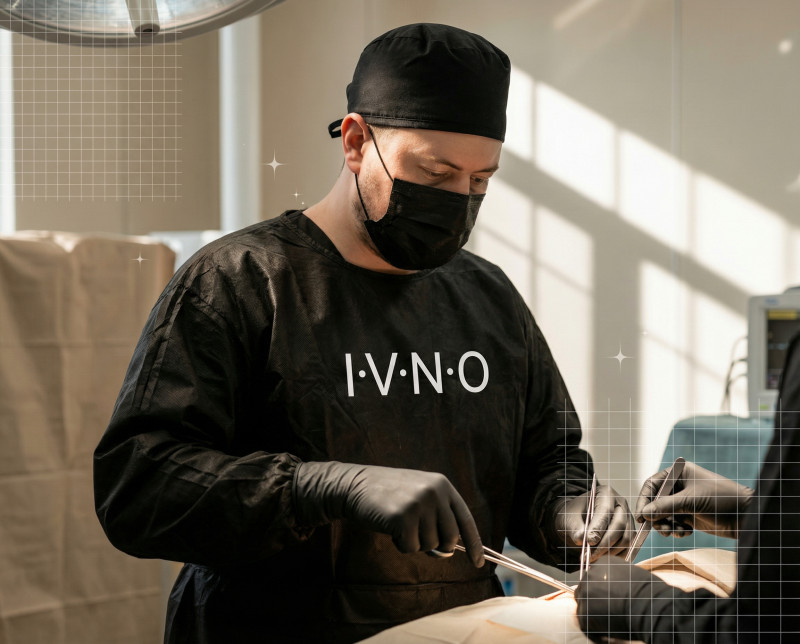
The dermatosurgical removal of skin lesions, such as moles (nevi), is an essential part of modern skin and soft tissue surgery. The goal of these procedures is both the medically safe removal of suspicious skin findings and – where appropriate – achieving the most discreet possible scar result.
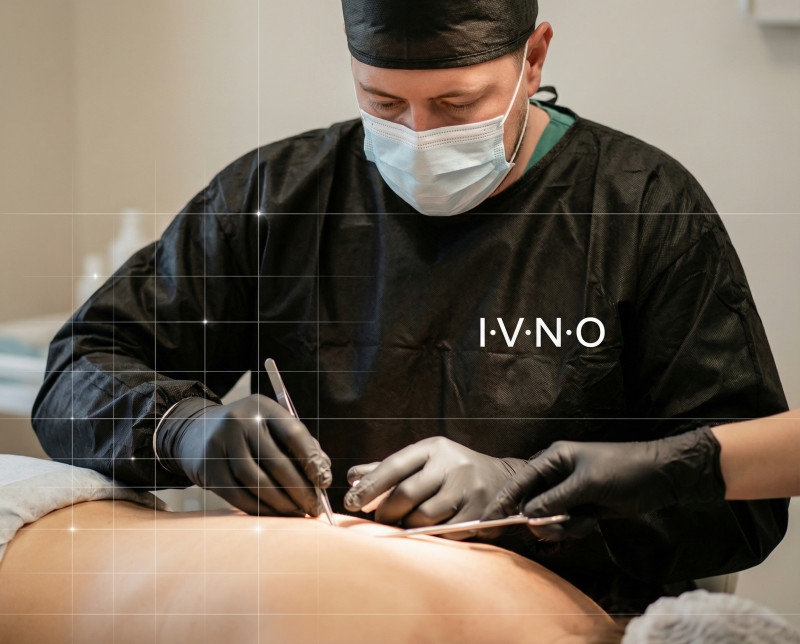
Minor dermatosurgical procedures are usually performed on an outpatient basis under local anesthesia. The procedure is short, gentle and well tolerated.
Removed tissue samples are routinely sent for histological (pathological) examination to ensure an accurate diagnosis and to reliably exclude or detect malignant changes at an early stage.
Pathological analysis is a key component of quality assurance, providing both medical safety and clarity for patients.
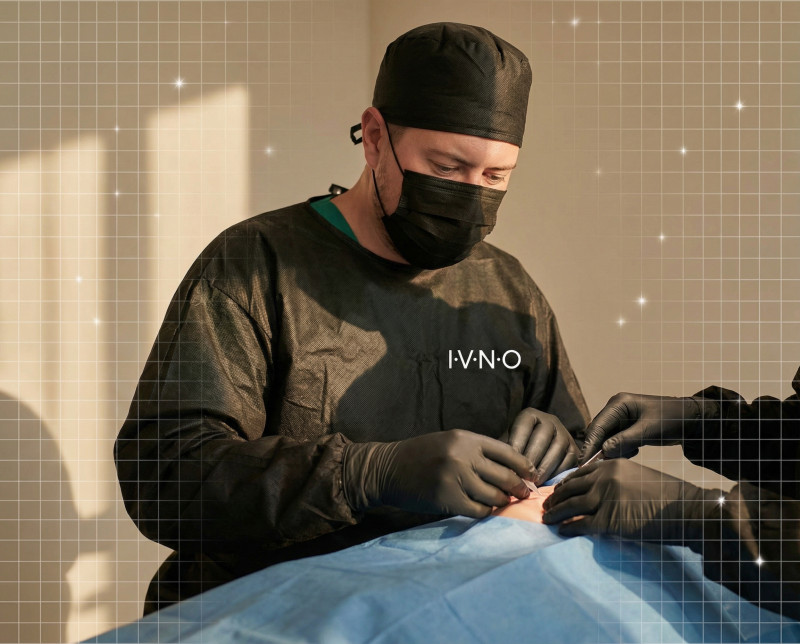
Particular emphasis is placed on precise and tissue-preserving surgical techniques. Incisions are planned according to natural skin tension lines to achieve the best possible aesthetic outcome.
Depending on the location and findings, the wound is closed with fine sutures and followed up in a structured manner.
Patients are usually able to return to normal daily activities immediately or shortly after the procedure.
Aftercare includes wound checks and, if necessary, suture removal.
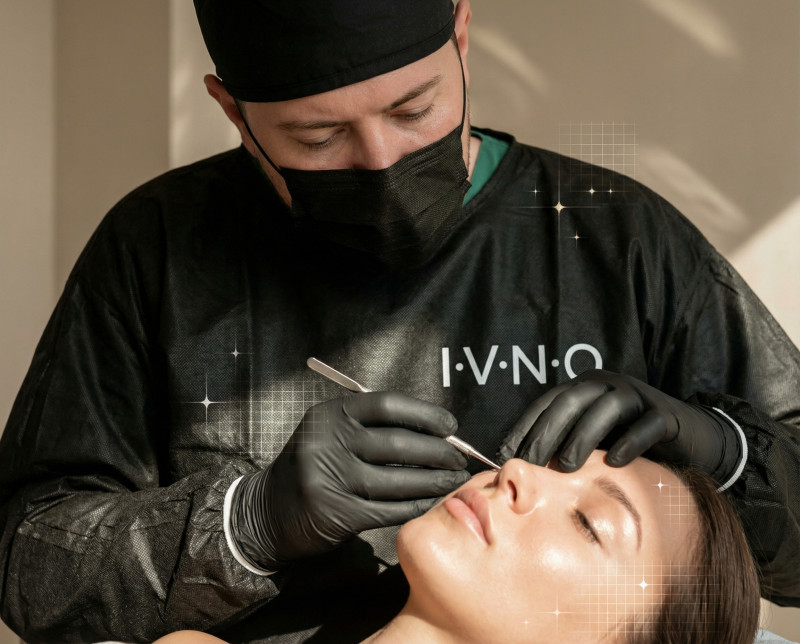
All dermatosurgical procedures are carefully planned and performed by qualified medical specialists. The combination of clinical experience, precise surgical technique and routine histological examination ensures a high standard of medical quality, both for preventive care and targeted treatment of skin lesions.
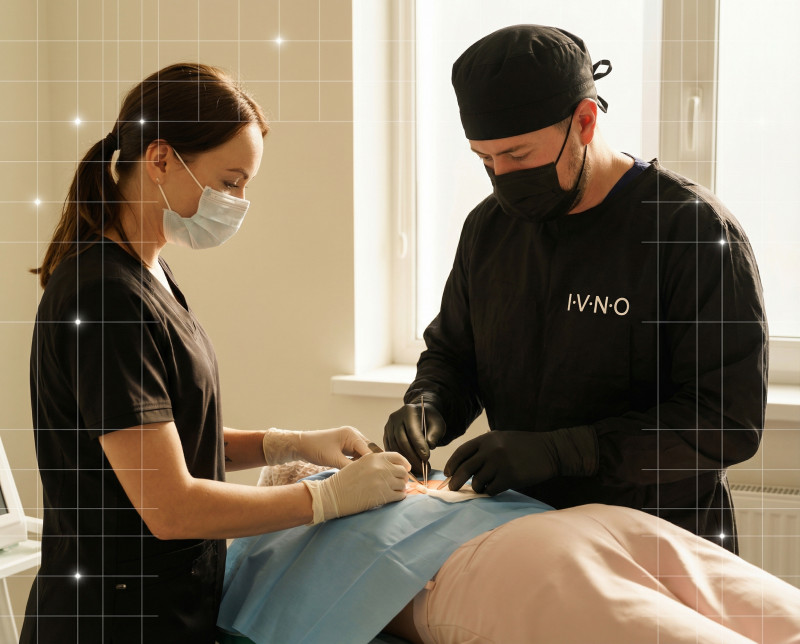
The proper treatment of burn injuries requires extensive experience, precision and a deep understanding of wound healing. Dr. Tamas Püski and Dr. Laszlo Gazdag have many years of clinical experience in treating patients with severe burn injuries and apply this specialized expertise in both outpatient and surgical care.
We offer modern surgical treatment of acute burn injuries as well as structured follow-up care. The goal is optimal wound healing, prevention of infections and the best possible functional and aesthetic recovery.
Advanced therapy concepts and high-quality wound dressings are used, including innovative temporary skin substitutes such as Suprathel® and biological wound dressings based on fish skin (e.g. Kerecis®).
These materials support natural healing, promote tissue regeneration and may positively influence scar formation.
Each treatment is individually planned and closely monitored.
In addition to acute care, we place special emphasis on structured aftercare to achieve optimal long-term results.
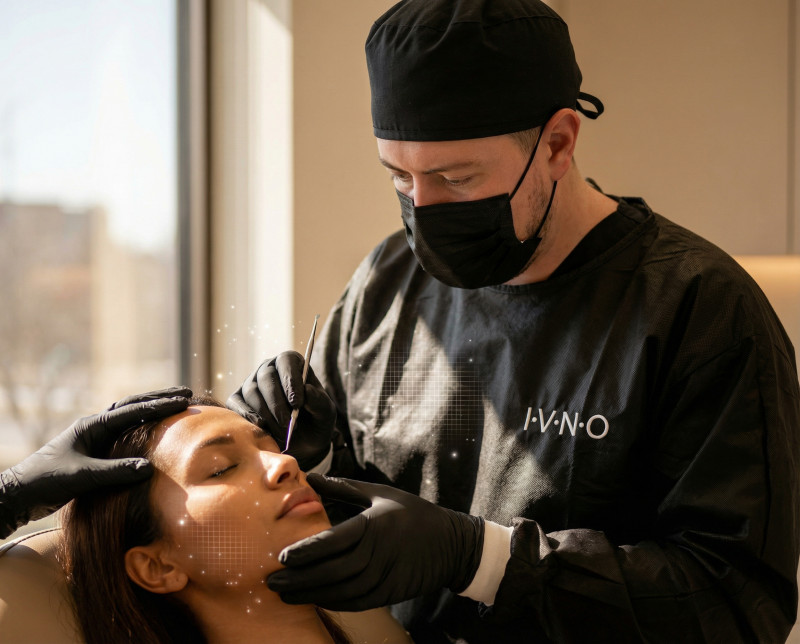
Advanced therapy concepts and high-quality wound dressings are used, including innovative temporary skin substitutes such as Suprathel® and biological wound dressings based on fish skin (e.g. Kerecis®). These materials support natural healing, promote tissue regeneration and may positively influence scar formation.
Dermatosurgical removal of skin lesions (e.g. moles)
Surgical excision with histological (pathological) examination
Local anesthesia
Approx. 15–45 minutes (depending on size and location)
Skin and subcutaneous tissue (entire body)
Minimal, well tolerated
Usually immediately or the following day
Permanent removal of the lesion
Depending on findings, location and number of lesions; possible coverage in case of medical indication