Treatment
Surgical upper eyelid correction


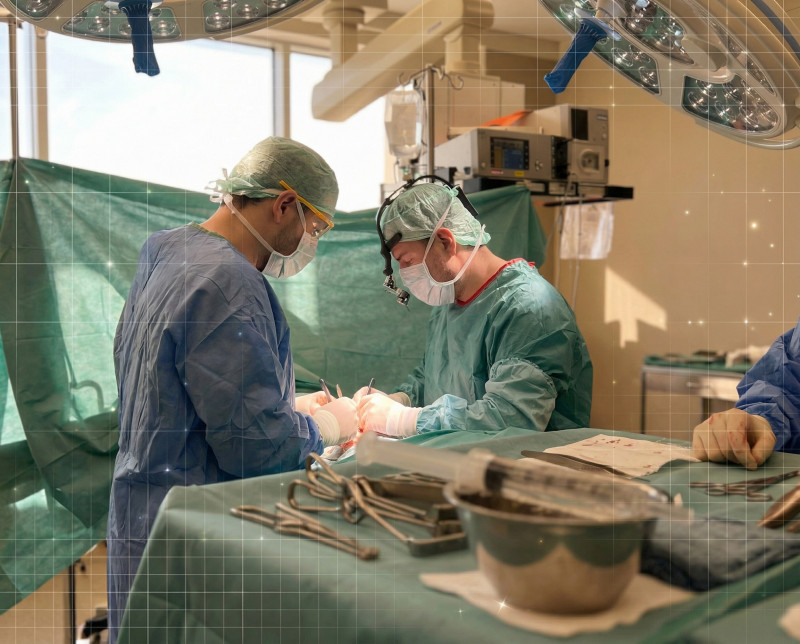
A detailed medical consultation takes place prior to the procedure. During this consultation, excess skin, fat distribution, eyelid function and individual expectations are evaluated.
Based on this assessment, it is determined whether an upper eyelid lift is appropriate and how extensive the procedure should be.
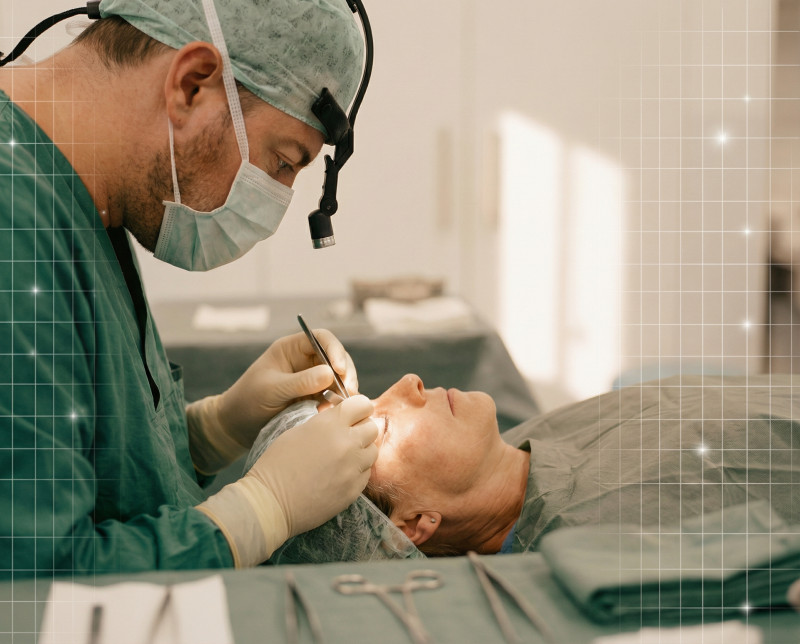
Upper eyelid surgery is usually performed on an outpatient basis, typically under local anesthesia, with optional sedation.
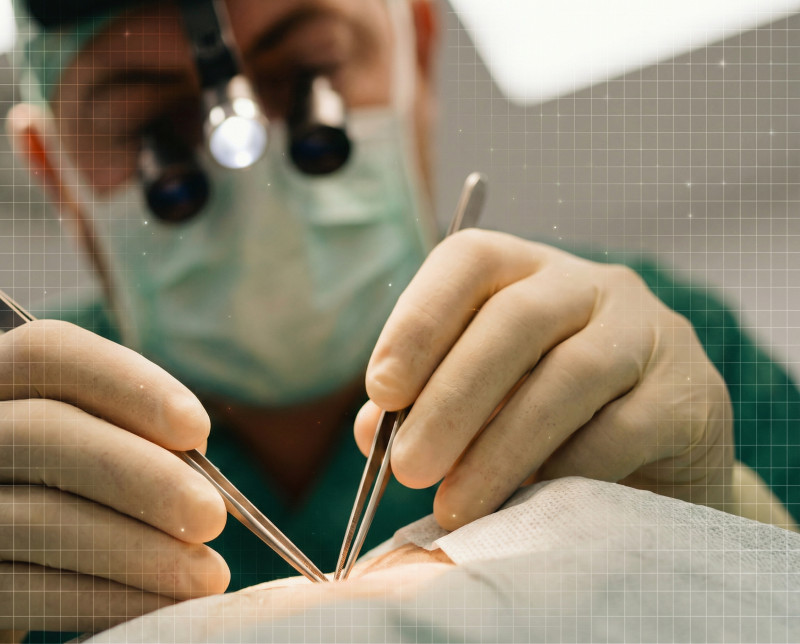
An incision is made in the natural eyelid crease, through which excess skin is removed and, if necessary, fat tissue is adjusted.
The incision is placed in a way that the resulting scar is usually discreet and barely visible within the crease.
After the procedure, swelling or bruising may occur, which usually subsides within a few days. Cooling and physical rest support the healing process.
Sutures are removed after a few days if necessary.
Regular follow-up appointments monitor the healing process.
Surgical upper eyelid correction
Removal of excess skin ± fat tissue
Local anesthesia ± sedation
Approx. 45–90 minutes
A more open, refreshed appearance
Approx. 1 week
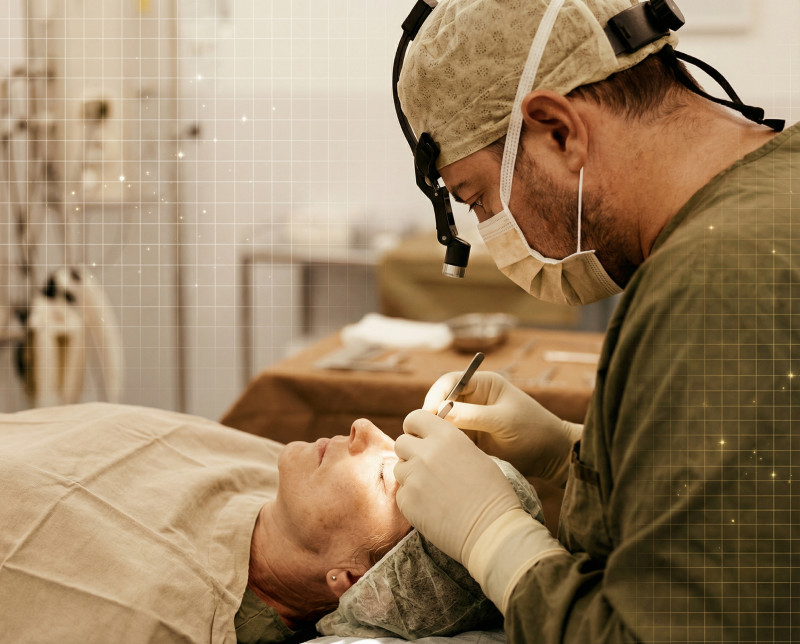
During the consultation, skin quality, fat distribution and eyelid tension are carefully evaluated. Depending on the findings, it is decided whether the procedure will be performed transconjunctivally (from the inside) or via an external incision.
The procedure, recovery and aftercare are also explained in detail.
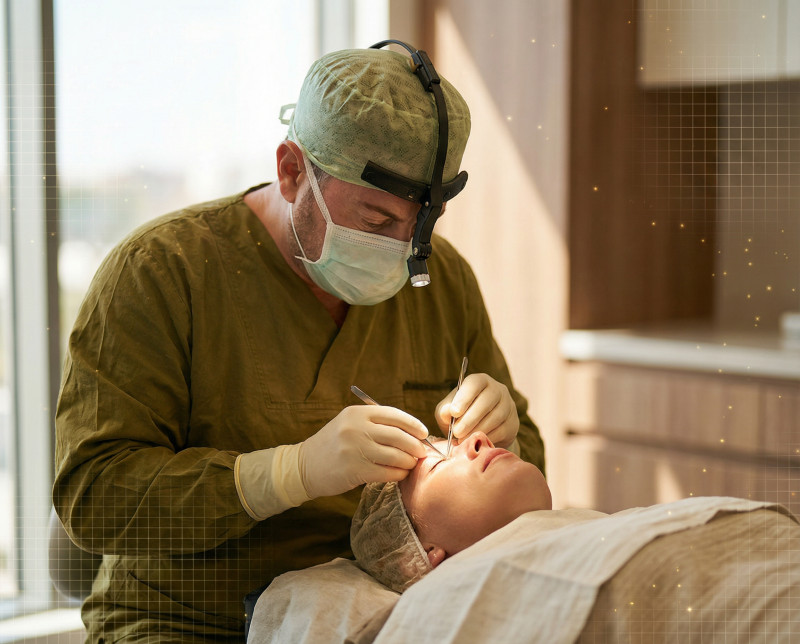
Lower eyelid surgery is performed under general anesthesia. Depending on the chosen technique, the procedure may be carried out on an outpatient or inpatient basis.
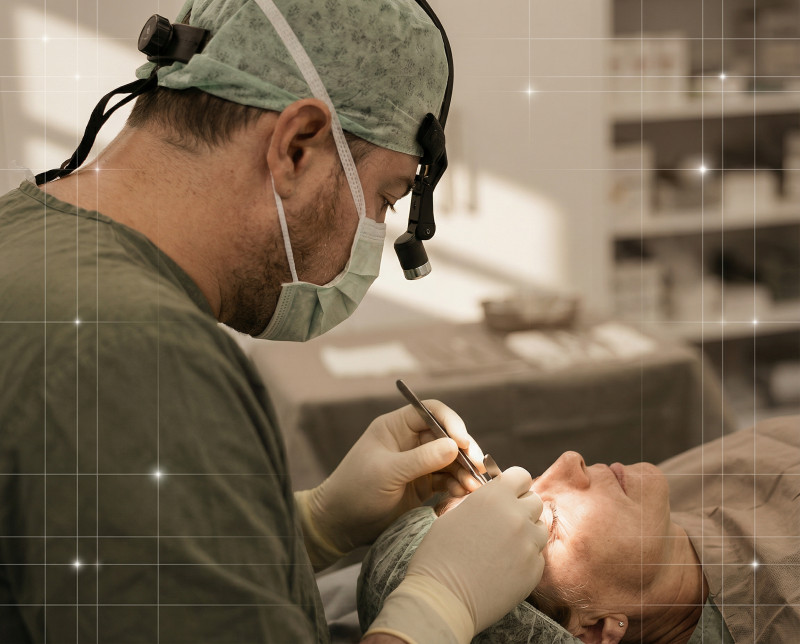
The procedure is performed through the inside of the lower eyelid without an external incision. This method is particularly suitable for excess fat tissue without significant skin laxity.
It is usually performed on an outpatient basis.
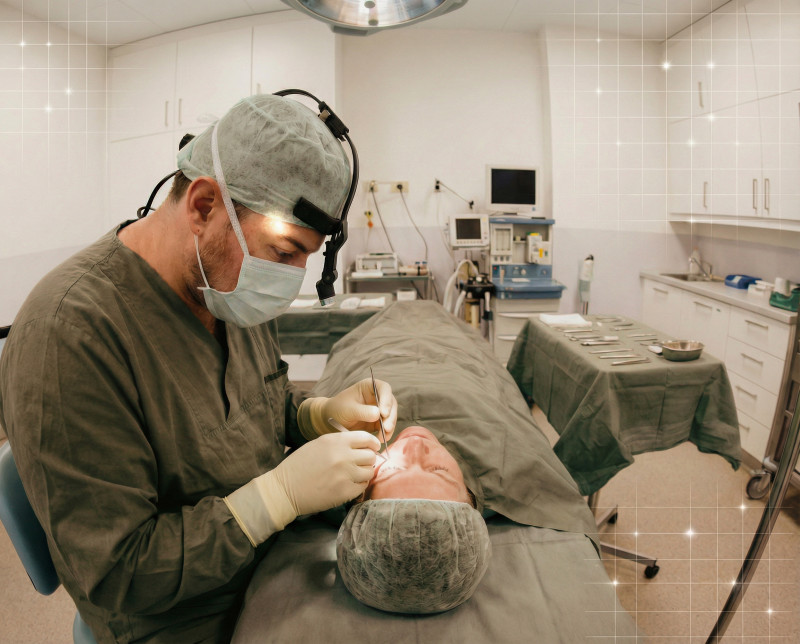
If there is additional skin laxity, the incision is made just below the lash line. This allows both removal of excess skin and reshaping of the lower eyelid area.
This method is usually performed as an inpatient procedure to ensure close postoperative monitoring.
The chosen method depends on anatomical conditions and the individual treatment goal.
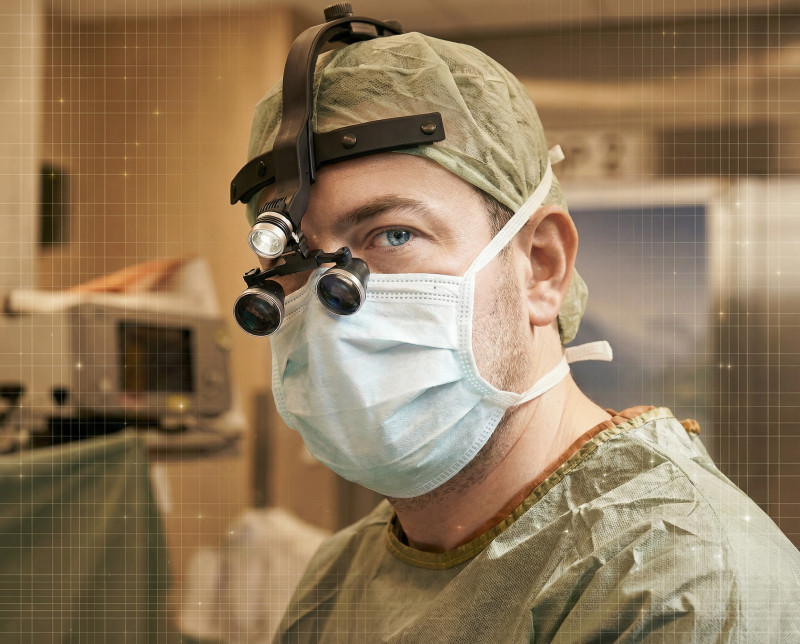
After surgery, swelling, bruising or a feeling of tightness may occur. These symptoms typically subside within days to a few weeks.
Cooling, rest and regular medical follow-ups support the healing process.
The final result develops gradually over time.
Surgical lower eyelid correction
Transconjunctival (internal, outpatient) or external approach (usually inpatient)
General anesthesia
Approx. 60–120 minutes
Smoother, more refreshed eye area
Approx. 1 week